Drive Thru Solutions: 8 Ways to Speed Service in 2026
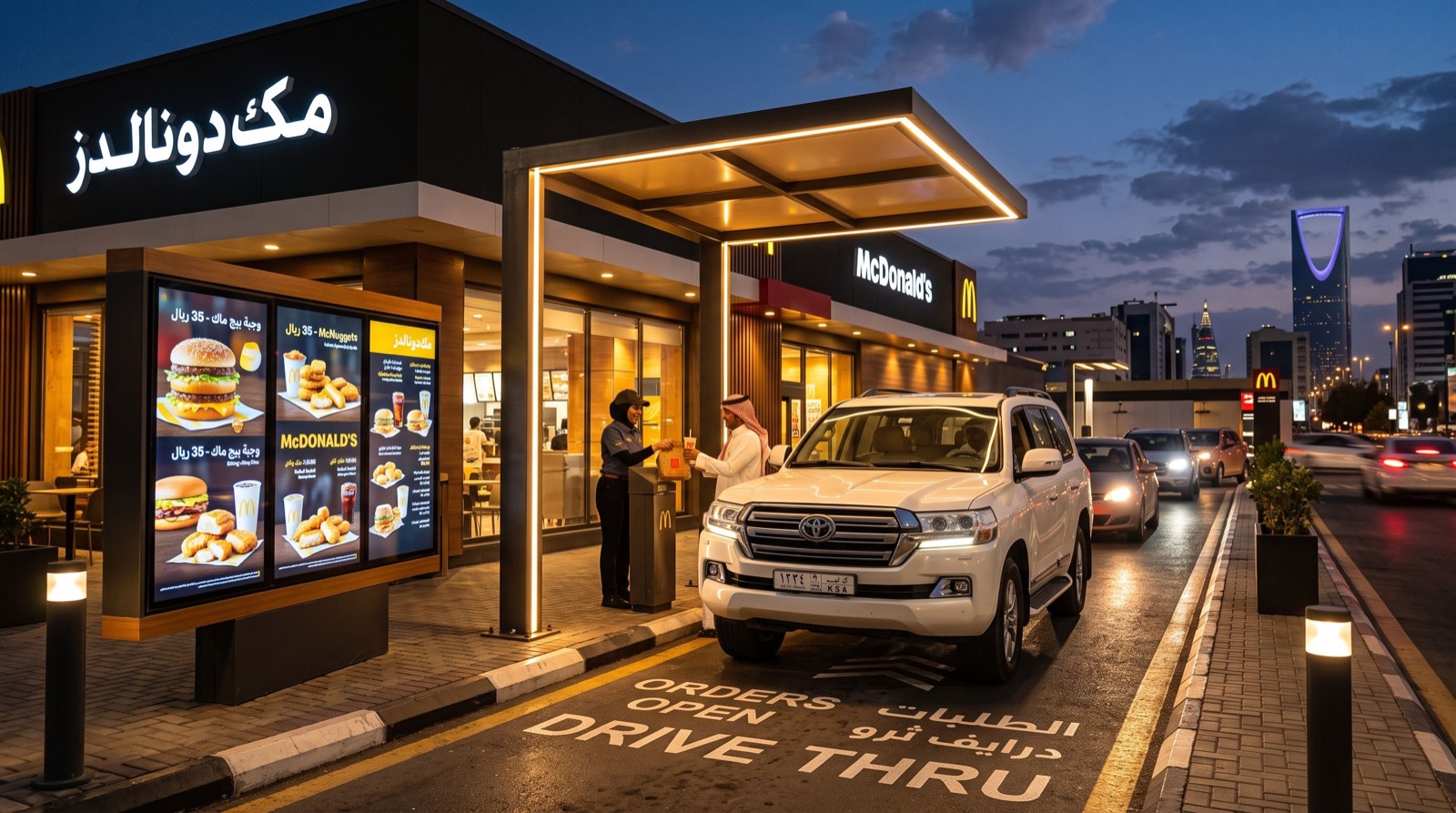
Modern Drive Thru Solutions have become the quiet engine behind quick-service restaurants, pharmacies, and coffee chains that want to serve more customers without building bigger kitchens. In 2026, the lane outside your window is often where the majority of revenue is won or lost. Customers judge a brand by how fast, accurate, and friendly that experience feels, and the right technology turns a long line of idling cars into a smooth, profitable flow. This guide covers eight practical ways to speed up service and the systems that make it possible.
Speed alone is not the goal. The best Drive Thru Solutions balance pace with accuracy and a warm human tone, because a fast order that arrives wrong costs more in trust than a slightly slower one that arrives perfect. Getting that balance right is where technology earns its investment.
Why Drive Thru Solutions Matter More Than Ever
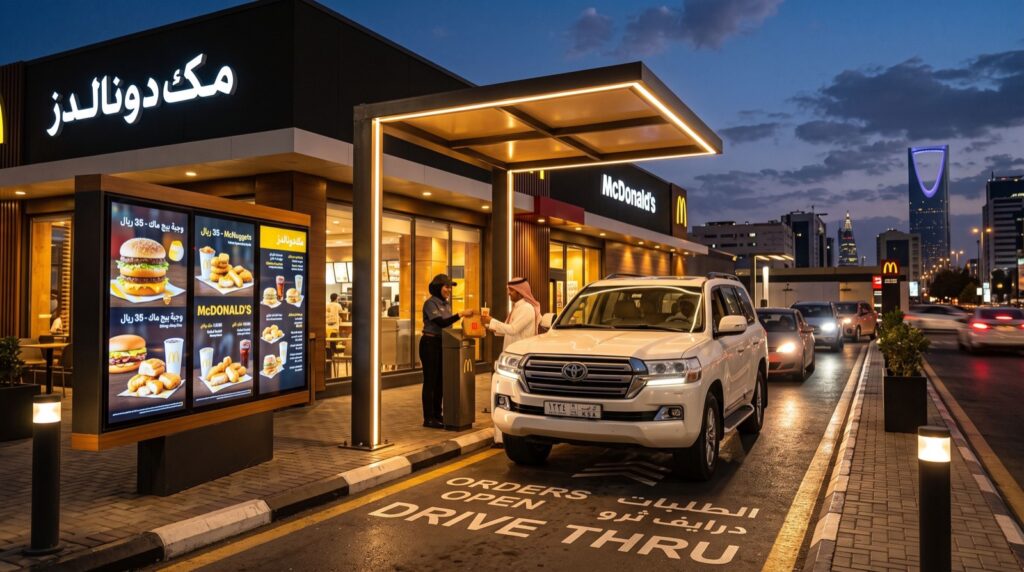
Consumer habits shifted permanently over the last few years. Drive-thru and curbside pickup are no longer a convenience for a few; they are the default for millions of busy customers across Saudi Arabia, Pakistan, and the wider Gulf. Operators who optimize the lane capture repeat visits, higher throughput, and stronger margins, while those who ignore it watch cars pull away from long queues.
The economics are compelling. Shaving even a few seconds off each order, multiplied across thousands of daily cars, adds up to significant extra capacity during the lunch and dinner rush, without any new building or staff. That is the promise of a well-engineered lane.
8 Proven Ways to Speed Up the Lane
Here are the tactics high-performing operators use to keep cars moving:
- Clear digital menu boards: Bright, well-organized displays cut decision time at the speaker.
- Reliable headset audio: Crisp two-way sound prevents costly order errors.
- Order confirmation screens: Customers verify items before they pay, reducing remakes.
- Dual lanes: Splitting traffic doubles order-taking during peaks.
- Predictive timers: Live metrics flag slow stations before a backup forms.
- Mobile pre-order integration: App orders slot into the lane without re-keying.
- Dedicated pickup windows: Separating pay and collect keeps cars flowing.
- Staff positioning: An outside expeditor during rush hours keeps the line tight.
How a Modern Drive-Thru System Works
Behind a smooth lane sits an integrated set of components that communicate in real time. Understanding them helps operators specify the right package rather than buying features they will never use.
- Detection: Loop or sensor technology registers each arriving vehicle and starts the timer.
- Communication: Headsets connect order-takers to the speaker post with clear, noise-filtered audio.
- Order entry: Staff enter items into the point-of-sale, which feeds the kitchen display.
- Confirmation: A customer-facing screen shows the order for verification.
- Analytics: Timing data per station reveals exactly where seconds are lost.
Reliability is everything here. A single dropped headset connection during the dinner rush can stall an entire lane. This is why many Gulf operators standardize on proven regional packages, including PAR Drive Thru in Saudi Arabia, which combine rugged hardware with timing analytics built for high-volume lanes.
Comparing Drive-Thru Setups
The right configuration depends on your traffic volume and site layout. The comparison below outlines three common tiers.
| Setup | Best For | Key Feature | Peak Cars/Hour |
|---|---|---|---|
| Single Lane | Neighborhood cafes | Headset and basic timer | Up to 60 |
| Enhanced | Busy QSR outlets | Confirmation screen and analytics | 60 to 120 |
| Dual Lane | Flagship high-traffic sites | Parallel order-taking and routing | 120+ |
Operators should size for the genuine peak hour, not the daily average. A lane that copes beautifully at 10 a.m. but collapses at the lunch rush will lose exactly the customers who matter most to revenue.
Implementation Tips That Protect Revenue
Start by timing your current lane honestly across a full week. Note where cars stall, whether at the speaker, the pay window, or the pickup point. The bottleneck is often not where managers assume it is. Once you know the real pinch point, target your investment there first rather than upgrading everything at once.
Train staff to greet every car within a few seconds, because a prompt hello sets the tone and keeps the timer honest. Keep headset batteries on a strict charging rotation, and review timing analytics weekly to catch creeping slowdowns before they become customer complaints.
Brands that also want to attract more local drivers to the lane often work with trusted professionals to strengthen their map listings and local search presence, turning nearby searches into real cars in the queue.
Industry analysis from outlets such as QSR Magazine consistently shows that speed of service and order accuracy are the two factors most tightly linked to drive-thru customer loyalty, reinforcing the case for investing in the lane.
Frequently Asked Questions
How much can Drive Thru Solutions cut service time?
Results vary by site, but operators who combine clear menu boards, reliable headsets, and timing analytics commonly trim meaningful seconds per car, which adds significant throughput capacity during peak hours.
Do I need a dual lane to see improvement?
No. Many single-lane sites gain the most from better audio, confirmation screens, and staff positioning. Dual lanes help only when traffic genuinely exceeds what one order point can handle.
Can mobile app orders work with the drive-thru?
Yes. Integrated systems slot pre-paid app orders into the lane flow, so customers who ordered ahead collect quickly without the staff re-entering their items.
How do timing analytics help managers?
They break the visit into stages so managers see exactly where seconds are lost, whether at ordering, payment, or pickup, allowing precise, targeted fixes instead of guesswork.
Conclusion: Win the Lane, Win the Day
In 2026, the drive-thru is the beating heart of quick-service revenue, and the brands that win are the ones that treat the lane as a system to be engineered, not a line to be endured. With clear menus, reliable audio, smart analytics, and disciplined staff, you can serve more customers faster and more accurately than ever. If you are ready to transform your lane into a high-throughput, high-accuracy profit center, now is the moment to act. Explore tailored Drive Thru Solutions today and give every customer the fast, flawless service that keeps them coming back.