Lithium Battery Price in Pakistan: A 2026 Buyer’s Guide
If you are shopping for solar storage this year, the first thing you probably want to nail down is the lithium battery price in Pakistan and what actually sits behind that number. Prices swing widely because a battery is not a single commodity, it is a bundle of chemistry, capacity, warranty and after-sales support. This guide breaks the cost down honestly so you can budget with confidence and avoid the trap of buying the cheapest pack you can find.
Lithium storage has moved from a luxury add-on to the backbone of most home and small-business solar systems in Lahore and Islamabad. Load-shedding, rising grid tariffs and the falling cost of cells have all pushed families toward batteries that last a decade instead of eighteen months.
What Determines the Lithium Battery Price in Pakistan?
No two quotes look alike, and the gap is rarely about profiteering. It usually comes down to five measurable factors that any honest supplier will explain on request.
- Chemistry: Lithium iron phosphate (LiFePO4) costs more per unit than older lead-acid but delivers far more usable cycles.
- Usable capacity: A 5kWh pack and a 10kWh pack are not priced on a simple double; larger packs often lower your cost per kWh.
- Battery management system (BMS): A robust BMS protects against over-charge and thermal runaway and adds real cost.
- Warranty length: A genuine 8–10 year warranty reflects better cells than a vague 1-year promise.
- Import duties and the rupee: Because most cells are imported, currency movement feeds straight into the shelf price.
When you compare the lithium battery price in Pakistan across suppliers, always ask for the price per usable kilowatt-hour rather than the sticker figure. That single metric strips away marketing and lets you compare packs on an even footing.
Lead-Acid vs Lithium: A Cost-Per-Cycle Comparison
The upfront number tells only half the story. What matters is the cost spread over every charge and discharge the battery can deliver. LiFePO4 wins that race comfortably.
| Feature | Lead-Acid (Tubular) | LiFePO4 Lithium |
|---|---|---|
| Typical cycle life | 500–800 cycles | 4,000–6,000 cycles |
| Usable depth of discharge | ~50% | 90–100% |
| Round-trip efficiency | 75–80% | 95–98% |
| Maintenance | Water top-ups, ventilation | Virtually none |
| Effective 10-year cost | Higher (replacements) | Lower per usable kWh |
According to the U.S. National Renewable Energy Laboratory, lithium-ion chemistries continue to lead on cycle life and round-trip efficiency for residential storage, which is why they now dominate new installations worldwide. You can review its published storage research at the National Renewable Energy Laboratory.
How Much Battery Do You Actually Need?
Oversizing wastes money; undersizing leaves you in the dark. Sizing is a short arithmetic exercise, not guesswork.
- List the appliances you must run during an outage and their wattage.
- Estimate how many hours per day each one runs on backup.
- Multiply watts by hours to get daily watt-hours, then total them.
- Divide by 1,000 to convert to kilowatt-hours (kWh).
- Add a 20–30% buffer for efficiency losses and future growth.
A modest Lahore home running fans, lights, a fridge and a few phone chargers overnight often lands between 3kWh and 6kWh. A home that also backs up an inverter air-conditioner will climb well past 10kWh. Getting this figure right is where working with reliable local experts pays off, because they translate your bill into the right pack rather than the biggest one.
Why Buy From an Established Installer?
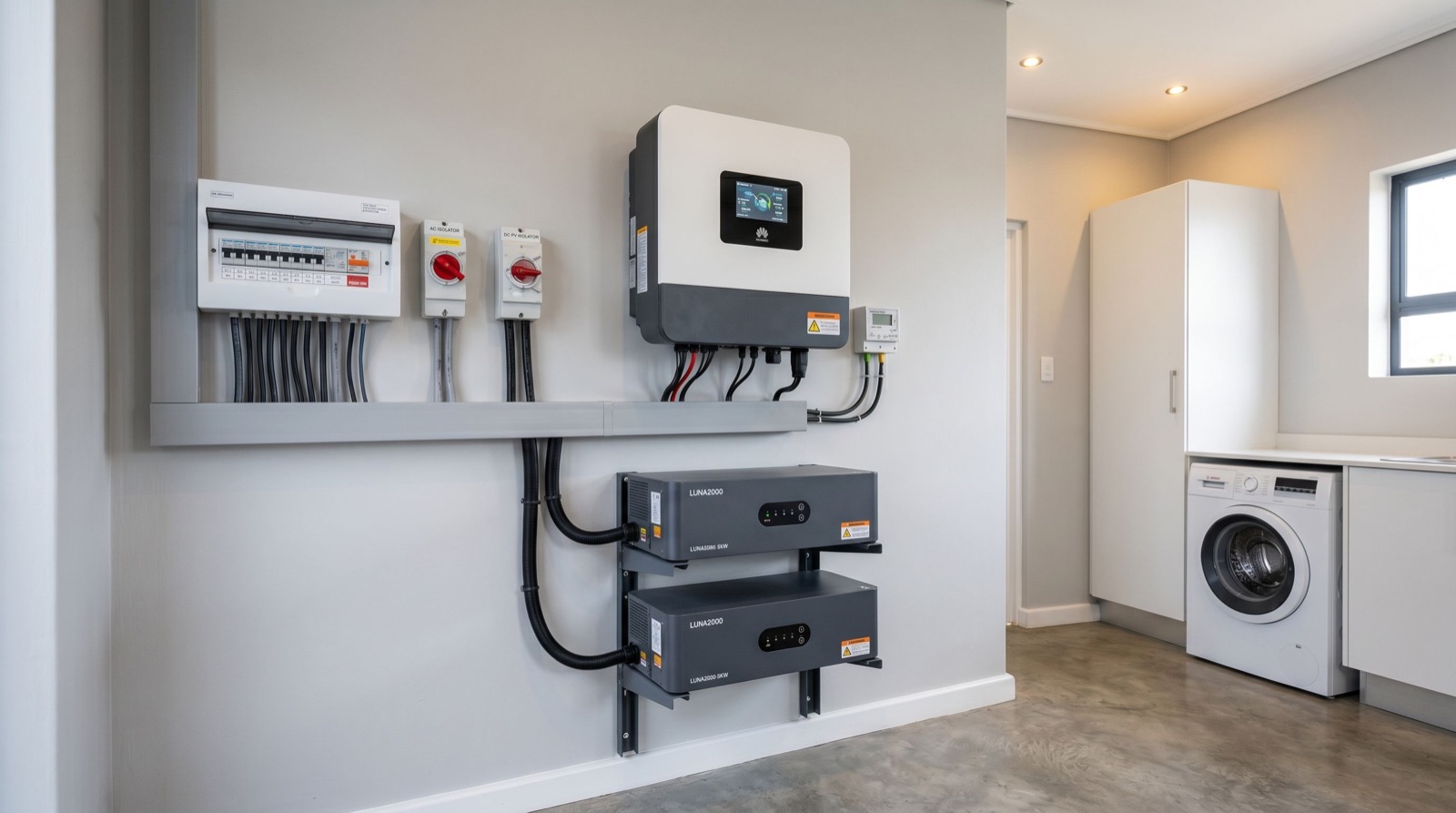
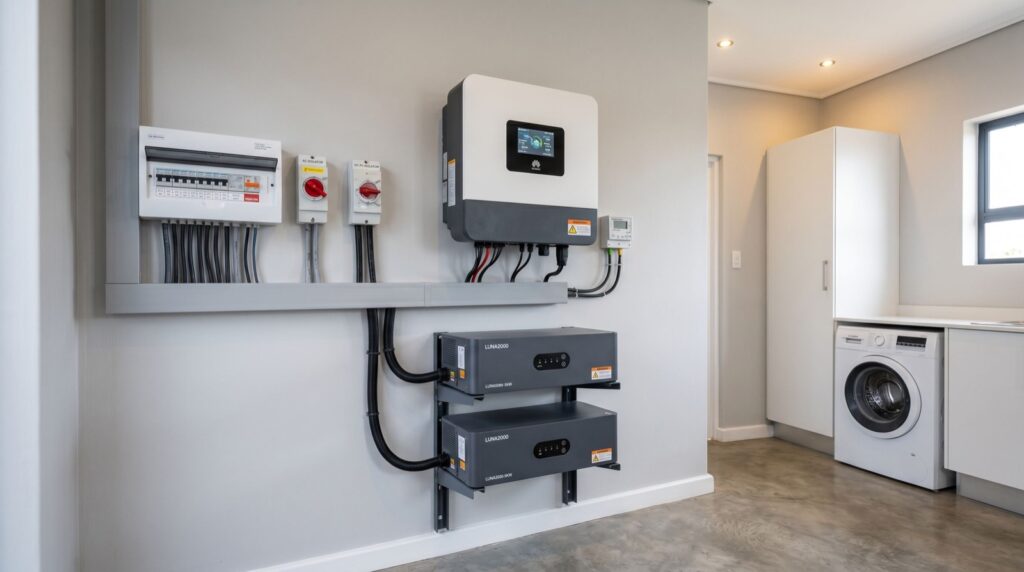
A battery is only as good as the system around it. A reputable solar company in Islamabad will match the pack to your inverter, size the charge current correctly and honour the warranty locally instead of pointing you to an overseas manufacturer. That relationship matters far more on year four than on day one.
Hidden Costs to Watch in 2026
Beyond the cell price, a few line items quietly inflate the final invoice. Knowing them upfront keeps your budget honest.
- Compatible hybrid inverter or upgrade, if your current one cannot charge lithium.
- Proper cabling, breakers and a fused disconnect for safety.
- Delivery and installation labour, especially for wall-mounted packs.
- Optional monitoring or Wi-Fi dongles for remote state-of-charge tracking.
One original tip from the field: ask your supplier for the battery’s datasheet and confirm the continuous discharge rating in amps, not just the kWh figure. Many buyers size capacity correctly yet pick a pack that cannot deliver enough instantaneous power to start a motor load, then blame the battery unfairly.
Is a Lithium Battery Worth It in 2026?
For most households facing frequent outages and climbing tariffs, yes. The payback comes from three directions at once: fewer replacements, deeper usable capacity and higher efficiency that lets your panels charge the pack faster. When you spread the lithium battery price in Pakistan across ten years of service, LiFePO4 almost always undercuts the lead-acid it replaces.
How to Make a Lithium Battery Last Longer
Getting the best value from your purchase is not only about the price you pay today; it is about how many years of service you extract from the pack. Heat is the single biggest enemy of any lithium cell, and our summers are unforgiving. A few habits protect your investment and stretch the lifespan well past the warranty period.
Install the battery in a shaded, ventilated spot away from direct afternoon sun. A pack that regularly bakes above 40°C ages faster than one kept cool, even if both carry identical warranties. Where possible, avoid mounting storage against a west-facing wall that soaks up heat all afternoon.
Charging behaviour matters just as much. Configure your inverter to charge within the manufacturer’s recommended current, and avoid parking the battery at a full 100% state of charge for long idle periods. Cycling gently between comfortable limits keeps the cells healthier over thousands of cycles.
Finally, keep firmware and BMS settings current, and glance at the monitoring app occasionally to catch a weak cell early. A pack that reports a slowly widening cell-voltage spread is warning you months before it fails outright. Catching that early, with help from your installer, can mean a simple service call instead of a dead bank on the hottest night of the year.
Understanding Warranty Terms Before You Buy
Two batteries with the same headline price can carry very different warranties, and the fine print decides real value. Read whether the warranty is measured in years, in total cycles, or in total energy throughput, because manufacturers use all three. A ten-year warranty capped at a low throughput figure may expire sooner than you expect if you cycle deeply every day.
Also confirm who services the claim. A locally honoured warranty means a technician visits your home; an overseas-only warranty can leave you shipping a heavy pack abroad at your own expense. That difference rarely shows up in the sticker price but matters enormously in year four or five.
Frequently Asked Questions
What is the average lithium battery price in Pakistan in 2026?
Prices vary by capacity and brand, but expect to pay a premium over lead-acid upfront. Always compare on cost per usable kWh and factor in the 8–10 year lifespan before judging value.
How long does a LiFePO4 solar battery last?
Quality LiFePO4 packs deliver roughly 4,000–6,000 cycles, which typically translates to 8–12 years of daily use depending on depth of discharge and temperature.
Can I add lithium storage to my existing inverter?
Sometimes. A hybrid or lithium-compatible inverter is required. If yours only supports lead-acid charging profiles, you will need an upgrade, so confirm compatibility before buying.
Do lithium batteries need maintenance?
Very little. Unlike tubular lead-acid, there is no water topping-up. Keep the pack cool, ventilated and within its rated charge current and it largely looks after itself.
Final Thoughts
Understanding the true lithium battery price in Pakistan means looking past the sticker and weighing chemistry, capacity, warranty and support together. Do the sizing arithmetic, insist on a per-kWh comparison, and buy from an installer who will stand behind the product locally. Get those three things right and your storage will quietly pay for itself long before the warranty runs out.